
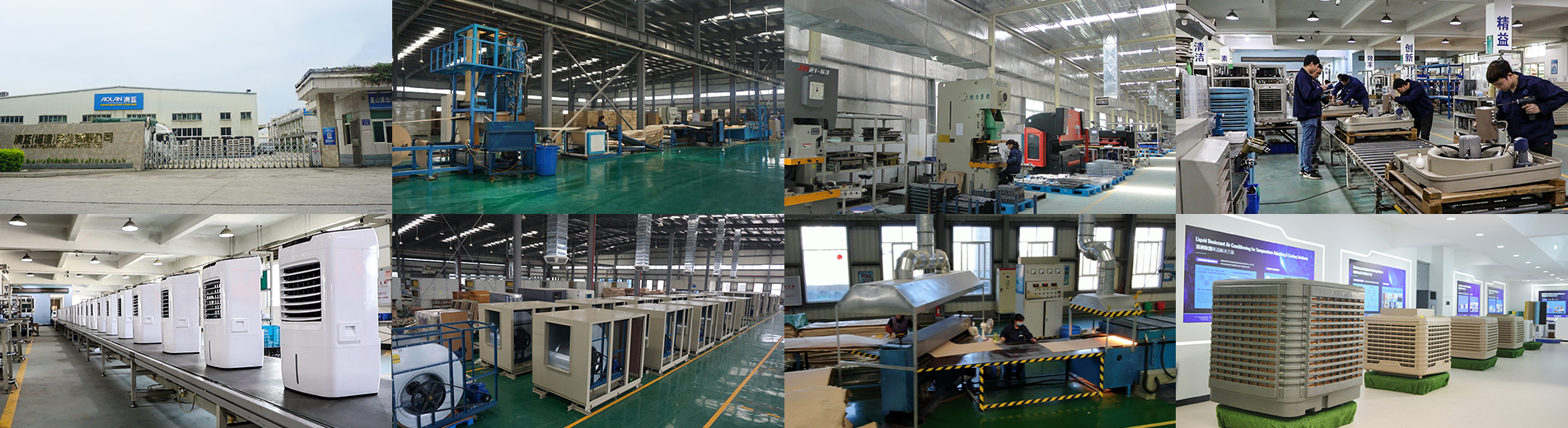
Temperature regulation is always one of the most difficult aspects of running a factory or industrial production facility. High-temperature operations, physical labor, and global warming all make it hard to maintain a comfortable working environment. But safeguarding employee health, improving production efficiency, and complying with strict safety regulations remain essential. That is exactly why more and more manufacturing plants are switching to evaporative coolers instead of relying on traditional air conditioning or ventilation systems to control temperature.
Persistent Overheating Problems in Industrial Production Facilities
Whether due to hot weather or heat-dependent production processes, industrial plants can heat up quickly. As temperatures rise, worker efficiency drops noticeably, and accidents and operational errors increase rapidly.
Unsafe Working Environments
High temperatures not only reduce employee efficiency but also increase the risk of heat-related illnesses such as heatstroke. During prolonged exposure to high-temperature environments, heat stress, fatigue, dehydration, and heatstroke all threaten employee health.
Declining Product Quality
High temperatures combined with reduced worker attention can cause more product defects. For example, heat-sensitive materials such as plastics can deform or degrade at high temperatures. Quality declines can seriously affect revenue and damage a company’s reputation among customers.
Evaporative Coolers: The Key to Continuous and Efficient Industrial Cooling
Excessively high temperatures pose a major threat to the safety, performance, and profitability of industrial facilities, making a reliable temperature regulation system critical. For decades, many industrial facilities have relied on air conditioning systems or mechanical ventilation to cool their plants. However, these methods have relatively high operating costs and limited cooling effectiveness. As a result, evaporative cooling has gradually become one of the most effective forms of industrial air cooling technology.
How Do Evaporative Coolers Work?
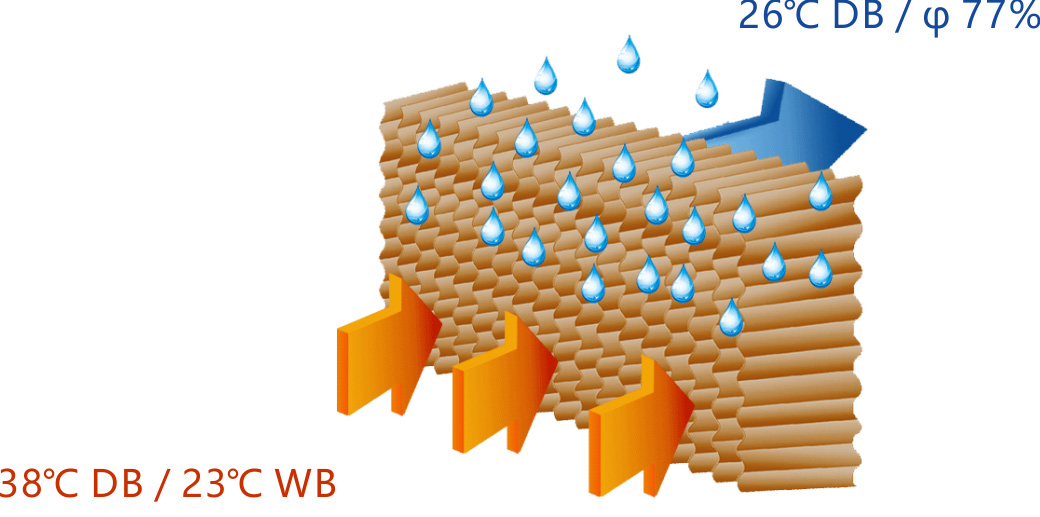
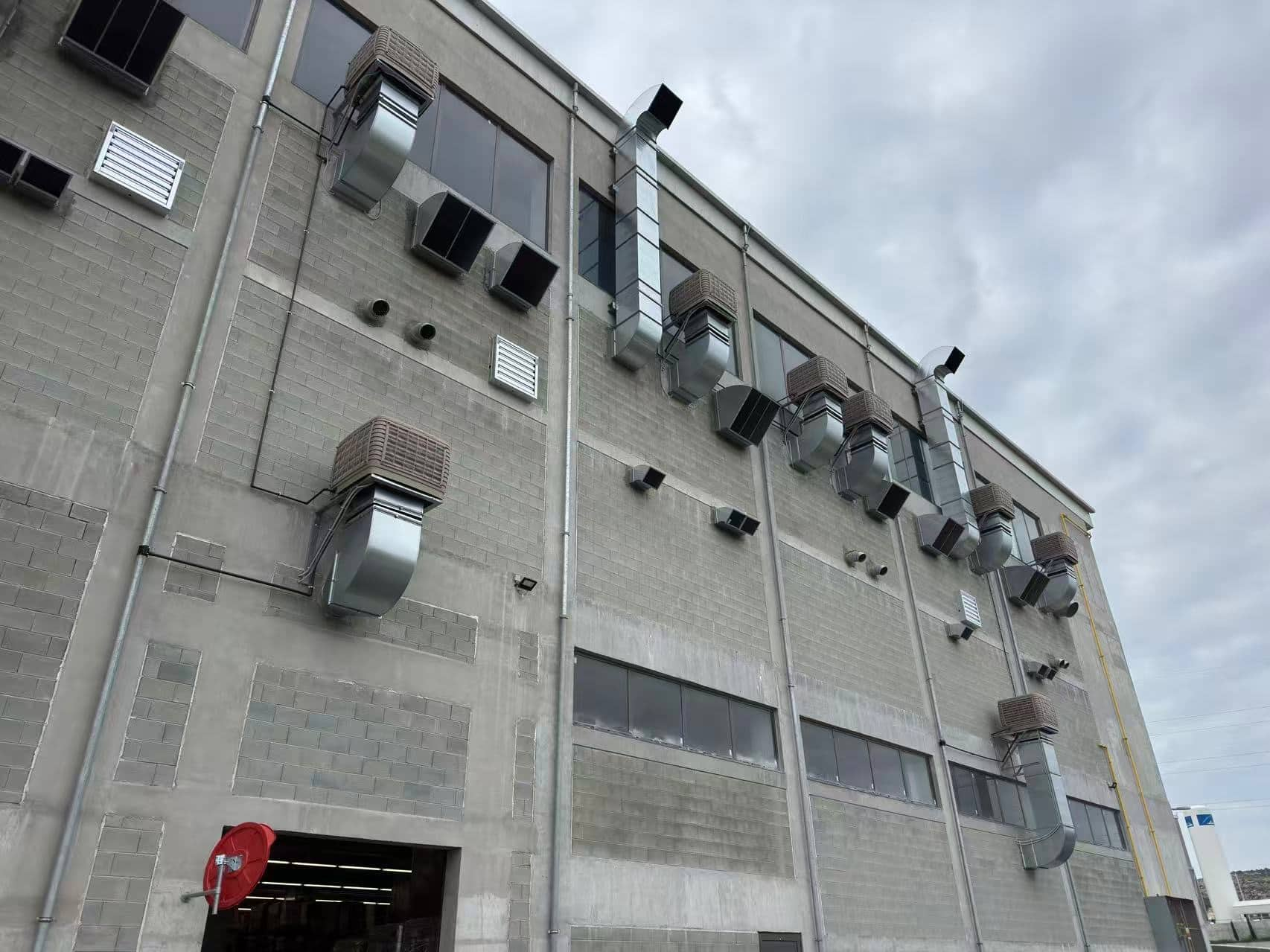
Evaporative coolers use the natural process of water evaporation to cool large areas with high efficiency. Fans draw hot air into wet cooling pads, which absorb water supplied by a built-in pump. As the hot air passes through the cooling pads, the water evaporates, lowering the air temperature within the system. Powerful fans then distribute the cool air throughout the room.
Evaporative Cooling Principle Diagram
Energy savings: energy consumption can be reduced by up to 90%.
Larger capacity at lower cost.
Fresh air circulation.
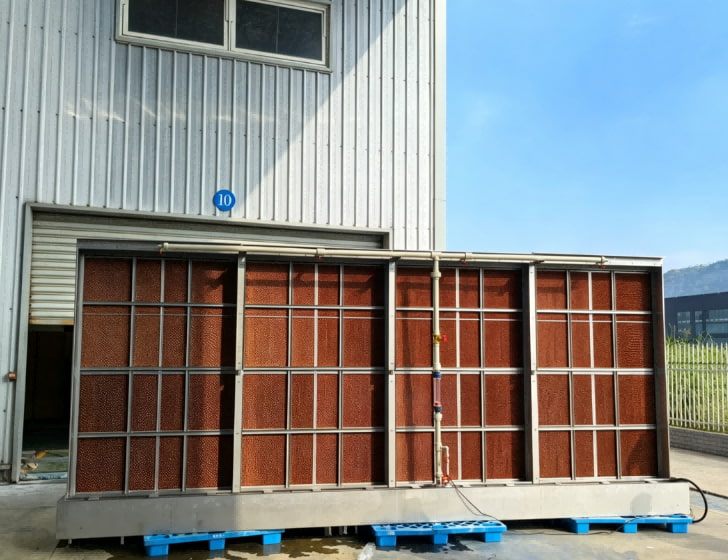
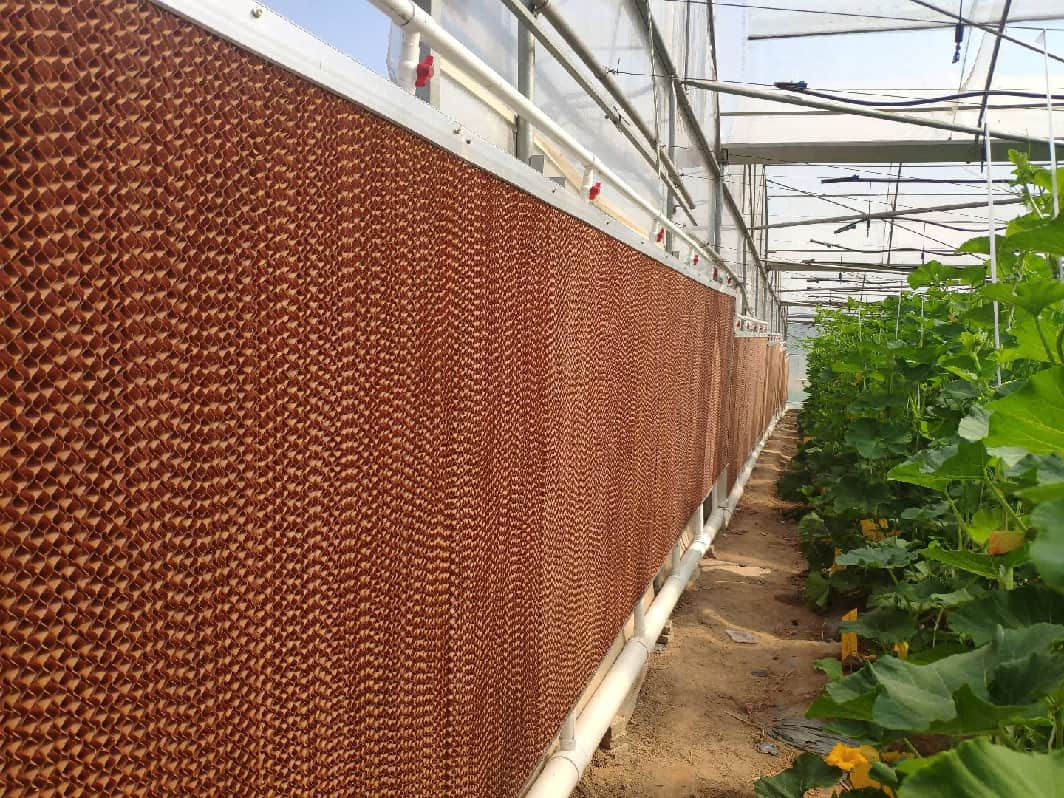
Four Practical Examples of Industrial Evaporative Cooling
Food and Beverage Processing — Freshness Is Essentially a Temperature Issue
A one-degree temperature difference can determine whether a batch is accepted or returned. Evaporative cooling stabilizes temperature and humidity throughout the entire processing process, inhibits spoilage, and continuously removes airborne contaminants—one airflow system handles both hygiene compliance and employee comfort.
Plastics and Rubber Processing — Heat Is an Invisible Defect
Injection molding and extrusion lines release heat throughout the entire shift. Heat affects workers first and then reaches the exhaust outlets. Evaporative cooling provides localized cooling at workstations, improves airflow throughout the workshop, and prevents equipment panels from overheating—more stable batches, a more stable workplace, and lower cooling bills.
Casting, Forging, and Heat Treatment — Cooling the Aisles, Not the Furnace
No matter how the plant is ventilated, the areas in front of furnaces and presses are always high-temperature zones. Targeted evaporative cooling lowers the temperature at the locations where workers actually stand, reducing heat stress risks, driving workshop airflow, and simultaneously suppressing dust and fine debris generated by operations.
Textile and Paper Production — Humidity Is the Product Itself
When the air becomes dry, shrinkage, static electricity, and fiber breakage appear, and all of these ultimately become waste. Evaporative cooling maintains moisture at the level required by the process, keeping yarns and paper webs stable, improving comfort and output, and removing high-temperature health risks from the workshop.


 WhatsApp
著作権
© 2026 Aolan (Fujian) Industry Co., Ltd 無断転載を禁じます
.  ネットワークサポート
伝言を残す
WhatsAppにスキャン :
 日本語
 English
 Français
 Español
 العربية